
Federal employment discrimination: no out-of-court settlement with Black people
Jean Numa Goudou ·
The federal government settled similar claims made by LGBTQ+ communities, women, and Indigenous peoples out of court. "We Black people, the government says no and spends our money," denounces Mr. Babineau.
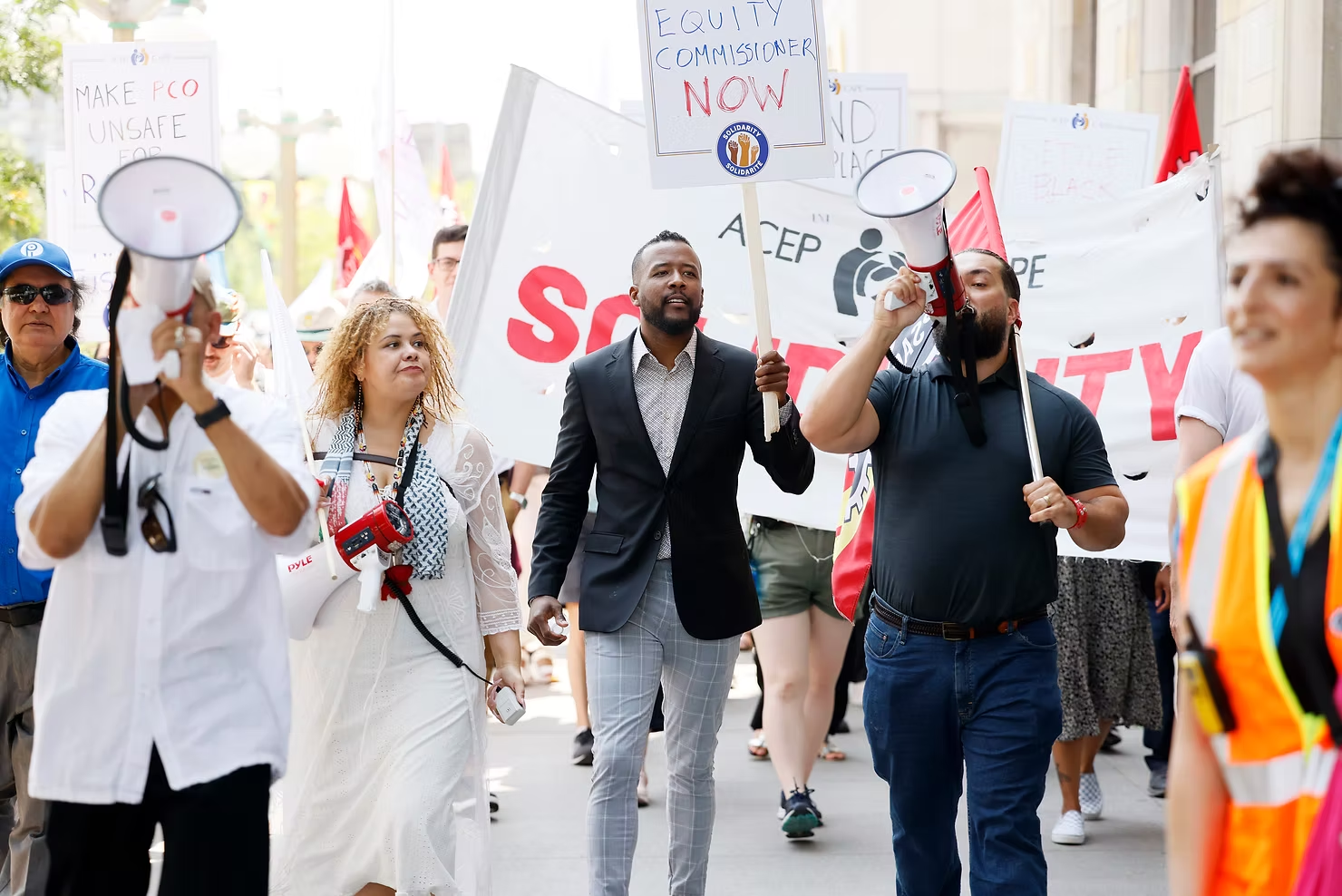
In 1980, when he was about to join the Royal Canadian Mounted Police (RCMP), Alain Babineau did not have an easy time. He still remembers his first job interview, particularly when he was asked: how would he react to racist comments?
A question that followed him even after 30 years within the federal police. Mr. Babineau is retired and is currently advocating for Black civil rights across Canada, particularly in Quebec.
He is the (francophone) Advocacy Director of the Black Class Action Secretariat, which is seeking $2.6 billion from Ottawa on behalf of some 30,000 current and former Black public servants who have lost "opportunities and benefits" because of their ethnicity, since 1975.
The Class Action was filed in 2020 and the group is still at the certification stage before the courts. The application, rejected in 2024, is currently before the Federal Court of Appeal. There are 14 plaintiffs in this action against various federal agencies, including the RCMP, Customs, the Correctional Service, and Justice, among others.
"David vs. Goliath"
 Former RCMP officer Alain Babineau
Only three lawyers represent Black people in this Class Action, while the government has an imposing battery of lawyers on the file.
"It's a David vs. Goliath battle," notes Alain Babineau, "we discovered, through a request to the House, that the government has spent $15 million to date defending itself."
The former RCMP officer notes that over time, the federal government has settled similar claims made by LGBTQ+ communities, women, and Indigenous women out of court. "We Black people, the government says no and spends our money," denounces Mr. Babineau.
Yet the government agrees to create a Committee on the Review of the Employment Equity Act. "This implicitly indicates that Ottawa acknowledges there is a problem," points out Alain Babineau.
The Group has just won another round in the battle. The Canadian Human Rights Commission has just referred, on February 27, their complaint on anti-Black systemic racism in the federal public service to the Canadian Human Rights Tribunal for investigation.
"There will therefore be a public and independent process to examine cases of hiring discrimination, barriers to promotions, unfair disciplinary measures, and harassment incidents reported by Black public servants for decades," states the Public Service Alliance of Canada (PSAC) in a press release.
It was after the Federal Court refused to certify the class action that the complaint was filed. "This is a decisive step toward justice for Black public servants, who have been fighting racism in the workplace for generations," says Sharon DeSousa, PSAC National President.
Documented Nevertheless
Under the Access to Information Act, PSAC had obtained, in July 2024, an internal report revealing blatant and widespread discrimination at the Privy Council Office (PCO). The latter leads the federal public service, the country's largest employer, while supporting the Prime Minister and Cabinet.
"As such, the findings of blatant discrimination are extremely troubling and concerning for the public," the Alliance had stated in a press release.
The report is based on interviews conducted by Rachel Zellars of Saint Mary's University in Halifax. It exposes a work environment permeated by racial stereotypes, microaggressions, and verbal violence reaching the highest ranks, as well as a culture of silence and the absence of accountability mechanisms.
"Instead of tackling racism in the public service, the highest body responsible for combating discrimination — the Privy Council Office — is letting things fester," says Sharon DeSousa, PSAC National President.
The government must urgently roll up its sleeves to put an end to systemic discrimination and racism in the federal public service.
The PCO provided the Coalition with a list of measures it has taken since the internal release of the report. These measures reflect a certain willingness to implement the recommendations, but they are not robust enough to address the systemic problems described in the report. This is not to mention the absence of measures addressing several key recommendations.
PSAC demands from the federal government:
- The appointment of a Black Equity Commissioner to address anti-Black systemic racism at all levels of government (similar to the two positions dedicated to combating antisemitism and Islamophobia).
- The recognition of Black people as an equity group, in accordance with the amendments to the Employment Equity Act promised in December 2023.
- The settlement of the Black Class Action to compensate Black public servants who have been victims of discrimination for years, as confirmed by numerous federal reports.