
The Haitian community of Montreal, big loser of the 2025 elections
Roger Romulus ·
The Haitian community of Montreal is nevertheless one of the most dynamic and influential in the metropolis.
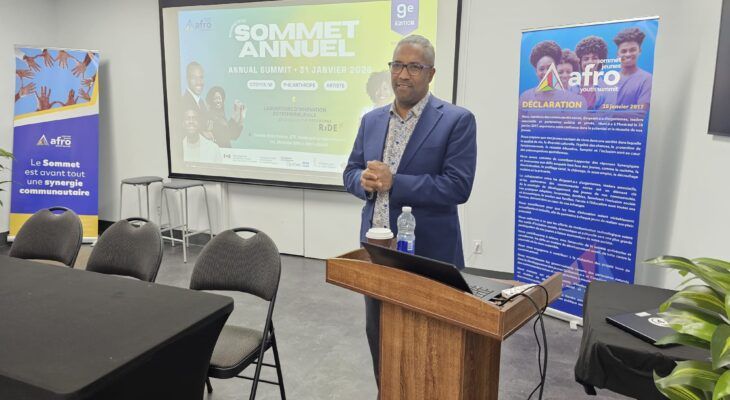
The Haitian community of Montreal is one of the most dynamic and influential in the metropolis. For several decades, its members have actively contributed to Quebec society, on political, social, and cultural levels. They are found in key sectors such as the taxi industry, real estate, restaurants, health and education, etc.
The neighborhoods of Rivière-des-Prairies, Saint-Michel, and Montréal-Nord are among the most important hubs of this community.
A political presence that has asserted itself since 2007
The political engagement of the Haitian community was particularly strengthened starting in 2007, during the elections in the provincial riding of Viau.
The arrival of Emmanuel Dubourg under the banner of the Parti libéral du Québec marked a turning point. His candidacy mobilized many volunteers, energized citizen participation, and gave the community a sense of significant advancement in the Quebec political sphere.
The importance of this representation was also manifested during the earthquake of January 12, 2010. The member for Viau had then proposed to the provincial government to welcome the families of community members affected by the disaster, which claimed nearly three hundred thousand victims. This program allowed more than ten thousand Haitians to immigrate to Canada.
A few years later, Denis Coderre's departure from the federal scene opened a new window of opportunity. The leader of the Liberal Party of Canada at the time had encouraged the provincial member for Viau to run in the federal riding of Bourassa, a territory comprising a large part of Montréal-Nord, strongly associated with the Haitian community.
This decision aimed to offer more direct representation to a historically active but underrepresented population.
A question that remains: why speak of defeat for the Haitian community in the 2025 elections?
Although there is a member of parliament of Haitian origin on the island of Montreal, paradoxically, encouraged to run by the same person who had supported Emmanuel Dubourg during his time at the federal level — namely the Right Honourable Justin Trudeau — some wonder if this is not an attempt to correct an error toward one of the largest communities on the island of Montreal.
The Liberal Party of Canada offered its seat to Ms. Marjorie Michel, who succeeds him in the riding of Papineau.
Unlike the former member for Bourassa, in office from 2013 to 2025, who paved the way for increased representation within the federal apparatus — notably through the appointment of two senators — Ms. Michel, former deputy chief of staff to the prime minister, already held heavy responsibilities within the LPC: election officer for the Quebec caucus in 2019, then election officer for Canada in 2021. She embodies the party's values and was not chosen solely because of her Haitian origins.
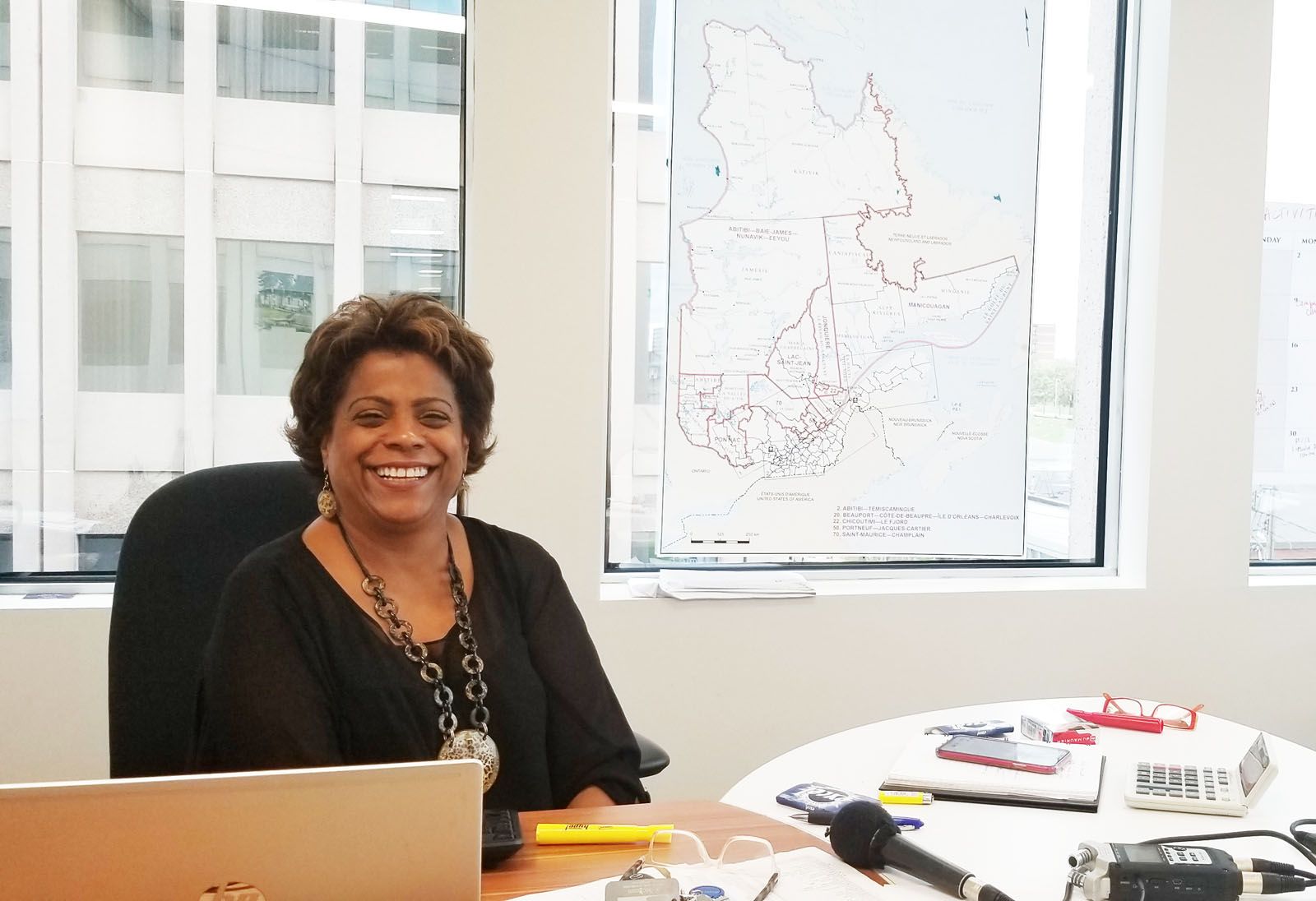
The riding of Papineau, where the Minister of Health succeeds her predecessor, is distinguished by an extremely diverse demographic composition. It is one of the most multicultural in Montreal, which means that citizens of Haitian origin represent a smaller proportion there than in neighborhoods like Montréal-Nord, Saint-Michel, or Rivière-des-Prairies, considered traditional strongholds of the LPC.
For some members of the community, this demographic reality contributes to the impression that their political weight has been diluted, despite the presence of an elected official from their ranks in Quebec's economic metropolis.
Despite the popularity of the only member of parliament of Haitian origin on the island of Montreal within her community, and the pride generated by her appointment to Mark Carney's cabinet, a concern remains: if she one day leaves political life, nothing guarantees that she will be replaced by a person from the same community — a request nevertheless expressed by several members and actors of the community to the LPC in 2025.
Although there are three members of parliament of Haitian origin sitting in the House of Commons, it is important to note that, apart from the member for Papineau, the other two — Joseph Natilien, member for Longueuil–Saint-Hubert, and Tatiana Auguste, member for Terrebonne — represent new gains for the Liberal Party of Canada.
The 2025 elections thus leave a mixed feeling within Montreal's Haitian community. On one hand, the presence of a member of parliament of Haitian origin within the Liberal caucus represents symbolic continuity and a source of pride. On the other, several community actors feel that this individual advancement does not compensate for the impression of a collective setback, particularly in ridings where the community is historically established and politically active.
The redistribution of power, demographic realities, and the strategic choices of the Liberal Party of Canada have revived a broader debate: that of sustainable and equitable representation of cultural communities within federal institutions. For many, the question goes beyond the simple presence of an elected official of Haitian origin. It touches on the community's ability to preserve its political influence, to transmit its legacy of mobilization, and to ensure that its issues remain visible in the public space.