
Montreal: "child soldiers" and complicit parents
Jean Numa Goudou ·
"Several of these young people pay their mother's or father's rent, a way of giving back to their family by engaging in criminal activity," said the police chief at the meeting.
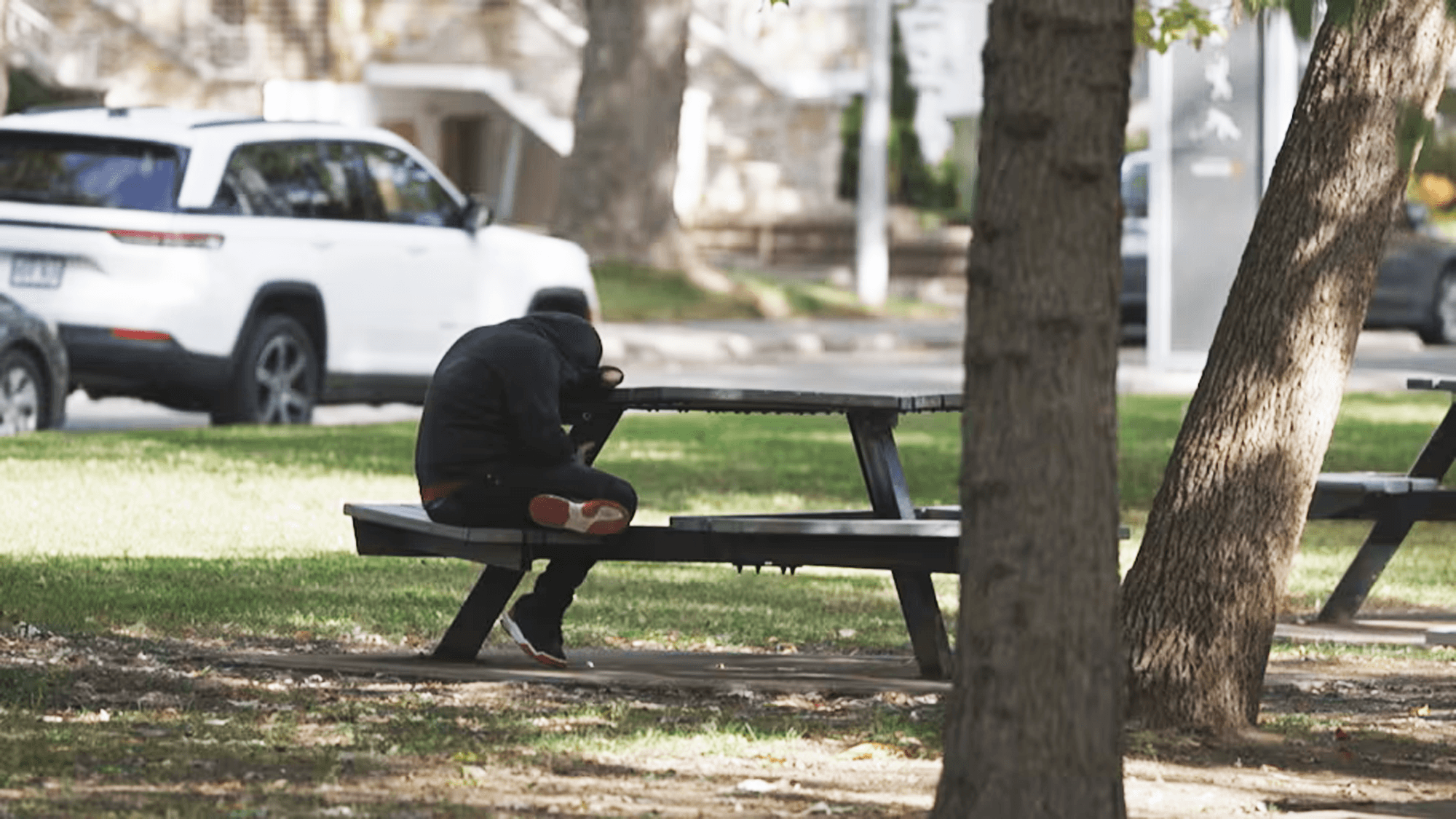
On Wednesday, July 22, Montreal Police Chief Fady Dagher met with the population of Montréal-Nord in connection with the involvement of 16 police officers in reprehensible acts. "We have spoken with community organizations and the media — this meeting is for you now," he told them.
Two communities were predominantly represented: Haitians and North Africans, who are three to four times more likely to be stopped according to several research reports. And they had questions, not directly related to the events themselves, but about the police's general approach toward them.
Questions arose regarding the education they want to give their children and the constraints imposed by their host society in this regard. "We are afraid that the DPJ will take our children away — the result: they have fallen into the hands of gangs," they said.
"It is a delicate matter. But the education you give your children — don't let go of it. It's more about spanking: NO," advised the SPVM chief. Fady Dagher took the opportunity to once again share his personal experiences and his observations about young people aged 12, 13, 14, and sometimes even 9 years old who have fallen into the grip of criminality.
"Many of these young people are paying their mother's or father's rent — a way of giving back to the family by engaging in criminal activity," the police chief stated at the meeting.
"They are child soldiers, manipulated by older individuals who themselves stay out of it," added Fady Dagher.
During the meeting, we attempted to ask the police chief: when children bring their proceeds home, are the parents considered accomplices?
Fady Dagher declined to take the question at that moment. "This meeting is not for journalists," he reminded us. However, his communications department responded by email a few days later.
"At the outset, it should be noted that, to be considered an accomplice to a crime, one must participate in it in one way or another," the SPVM clarified.
"In the majority of cases, parents are unaware of the origin of this money. It can happen, however, that some engage in wilful blindness," the police communications department acknowledged, without specifying what happens to those who act as though they did not know the money was dirty.
During the meeting, Fady Dagher spoke at length about a unit within the SPVM called "Collectif." These are SPVM teams bringing together police officers and civilian staff with varied areas of expertise: investigations, intelligence, policing, and prevention.
"The role of the officers is then to raise awareness and provide parents with the tools and necessary support to help their children break free from the vicious cycle of criminality," the SPVM emphasized in its email response to our question.
Furthermore, these teams focus on individuals displaying high-risk behaviors related to armed violence. They intervene in both enforcement and prevention by offering these individuals — who are often minors or young adults — alternatives to violence, in collaboration with their parents and community and institutional partners.
The "Collectifs" also reach out to recent or potential victims to prevent acts of retaliation.