
16 officers dismissed: letter from a former commander to the SPVM
Patrice Vilcéus ·
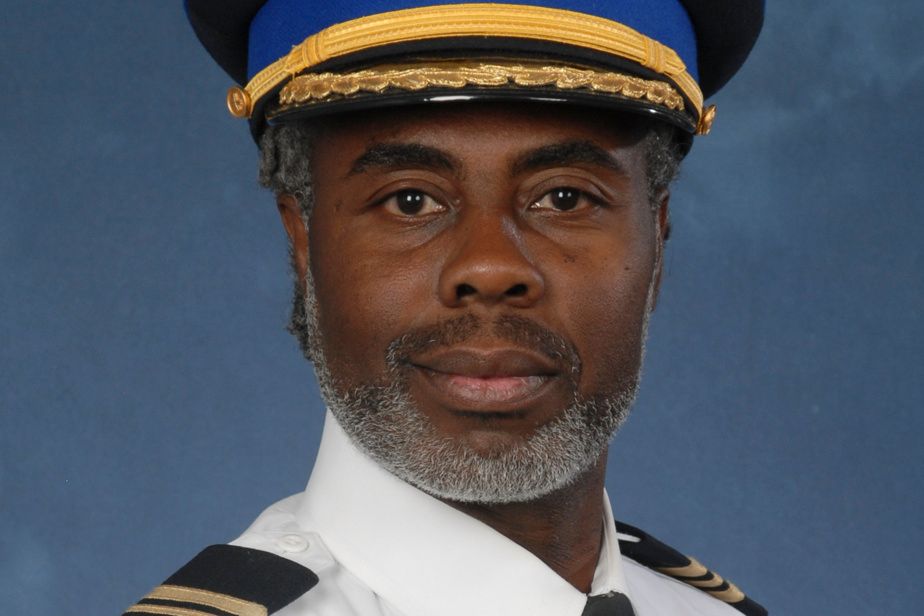
Patrice Vilcéus is a former commander of the Eclipse squad within the SPVM.
In light of the public discussions surrounding the SPVM over the past few days, I note that the reported events touch on public trust, organizational culture, and the psychological safety of employees.
I first want to acknowledge the gravity of the concerns expressed and the impact they may have on the population. In such a context, a call for calm and responsibility is necessary. I subscribe to this, while sharing the will expressed by the mayor to preserve social cohesion.
After nearly 30 years within the institution, I remain convinced that a strong police service is measured not only by its capacity for intervention, but also by its capacity for listening, truth, and repair.
I have no official role in the ongoing processes, and I am not seeking any. But I cannot ignore what several people have confided in me over the past few days. Employees, citizens, worried voices. Some say they fear speaking out. Others say they have already spoken and now live with the weight of that word.
I recognize this reality, because I have experienced it myself. If I speak today, it is because I know from the inside the complexity of these issues. I know that breaking the silence is the most difficult ordeal for a police officer. I am not here to reproach, nor to tarnish the police, I am here to support the courage of those who spoke up to denounce behaviors.
This is why it is not enough to call for calm.
The time for investigation is essential. It will allow us to establish the facts and shed full light on the reported events. What matters to me today is not only the investigation. It is the fact that the diagnosis is now posed publicly by the leadership itself, that it is shared.
From the moment we recognize the existence of a problem, the question is no longer whether it exists. The question becomes: what do we do together to solve it? How do we ensure that no citizen fears the police in their own neighborhood?
But this time must also be used to reflect on the broader issues being raised. An institution does not grow only when it corrects individual actions; it grows when it agrees to examine its culture, its protection mechanisms, its blind spots and its ability to hear the voices that disturb. Omerta does not retreat by itself. It retreats because individuals decide that their moral integrity is more important than blind solidarity.
My experience has taught me one thing: denial solves nothing, only transparency heals. Director Dagher's swift action shows that we are finally entering the era of transparency, and this is what must be praised. And the support that the President of the Fraternity offers to the SPVM is proof of accompaniment, an outstretched hand that must be seized.
I deeply believe that this period can become a moment of collective reflection, concerted action and constructive transformation for the SPVM.
The coming weeks will be difficult for many people. Emotions will be strong, discussions sometimes uncomfortable. But the most demanding periods are often those that enable the most lasting changes. I prefer a temporary crisis of confidence to permanent injustice.
If my experience acquired over nearly three decades of service can contribute to fueling this reflection or supporting the establishment of safe dialogue spaces for employees and citizens, I remain available to contribute within a respectful, structured and institutional framework. Dissolving a team in 24 hours is crisis management. What I expect is change management.
Trust is not reborn from silence.
It is reborn when the courage to speak finally meets the courage to listen. Institutions, like human beings, grow when they find the courage to look at their wounds in order to better serve their future.
If we have the courage to go through this crisis with lucidity, listening and humanity, I remain convinced that Montreal will emerge stronger.
It is now up to us to ensure that this crisis becomes a starting point rather than a parenthesis. This is a dream I believe possible.
Patrice Vilceus