
Tribùt launches its activities in front of two Black elected officials in Laval
Roger Romulus ·
The event brought together a large audience composed of young people, families and professionals from Black communities, who came to celebrate the history, culture and contributions of their elders.
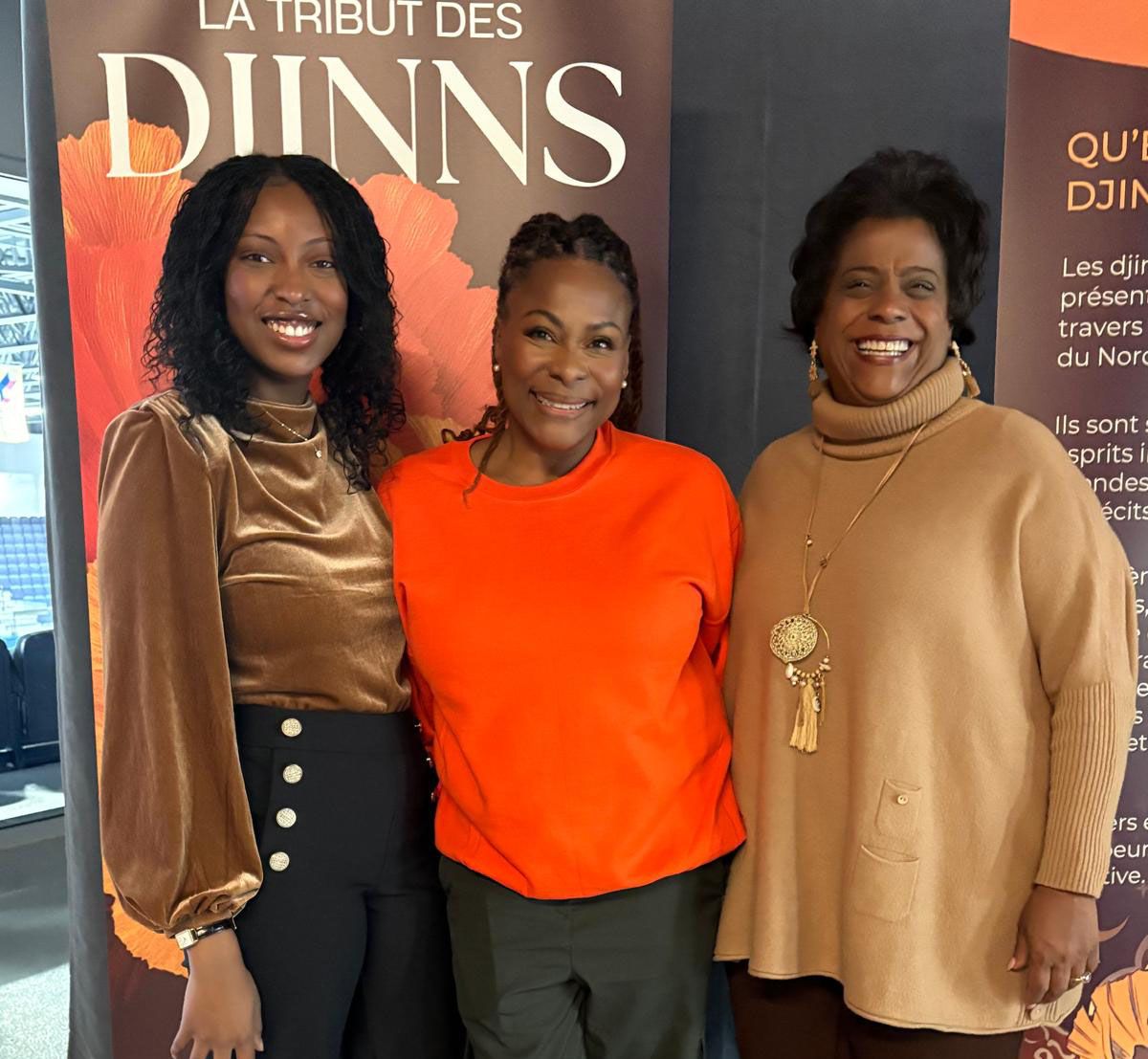
At Place Bell in Laval, Tribùt kicked off Black History Month before a large and engaged audience. The participation of two elected officials of Afro-descendant origin, Tatiana Auguste and Marjorie Michel, gave the evening a strong symbolic dimension, in a context where political representation of Black communities remains a central issue on the island of Montreal.
January 31st marked the date chosen by the leaders of the organization Tribùt to launch Black History Month at Place Bell, in Laval. The event brought together a large audience composed of youth, families and professionals from Black communities, who came to celebrate the history, culture and contributions of their elders.
Several officials had sent video messages for the occasion; some did so remotely, while others, although having already sent their message, made sure to be present in person. Among them were the Member of Parliament for Terrebonne, Ms. Tatiana Auguste, as well as the Honourable Marjorie Michel, Member of Parliament for Papineau and Minister of Health.
Their presence brought important symbolic weight. For many in the audience, these two elected officials represent one of the most visible institutional links between Black communities and the current federal government.
When Marjorie Michel entered the room, the atmosphere took on an almost electoral turn. She addressed the youth with a message that left its mark:
"My generation was the staircase on which you climbed. You represent the present and the future. We will continue to work for you, and especially with you." - Marjorie Michel.
She added that in her view, no member of Black communities should have to work harder than others to obtain a position for which they are qualified. However, she reminded that life is marked by difficulties and that one must therefore work hard, without ever losing courage.
The room burst into laughter in a warm and complicit atmosphere with her. For a moment, she seemed to embody the very hope of the Black community. Her impact was immediate: a reassuring presence, a mobilizing speech and the tangible impression that young people were not only heard, but truly supported.
For the Member of Parliament for Terrebonne, her intervention was addressed directly to current generations, inviting them to accompany young people in order to build a solid and inclusive future.
These two female politicians of Haitian origin carry within them the cause of Black women, but also that of several generations and numerous members of Black communities who, sometimes, express the feeling that their influence within the current federal government is diminishing.
This reality raises an important question: how to mobilize an electorate that questions the future of its representation, particularly in a context where certain ridings on the island of Montreal — notably Bourassa, Mercier and Saint-Léonard-Saint-Michel, where the presence of Black communities is significant — have few candidates from these backgrounds?
The evening highlighted a central issue for Black communities: the necessity of stable, credible and sustainable political representation.
At a time when some fear a decrease in this influence, the question of political mobilization becomes crucial. How to maintain the engagement of an electorate that seeks figures capable of carrying its aspirations?