
Is the Governor General more multiculturalist than Canada's Prime Minister?
Roger Romulus ·
A Black student from Louise-Arbour Public Elementary School read a poem, a singer from cultural communities performed the national anthem, and Ms. Arbour spoke directly with military members from Black and Asian communities.
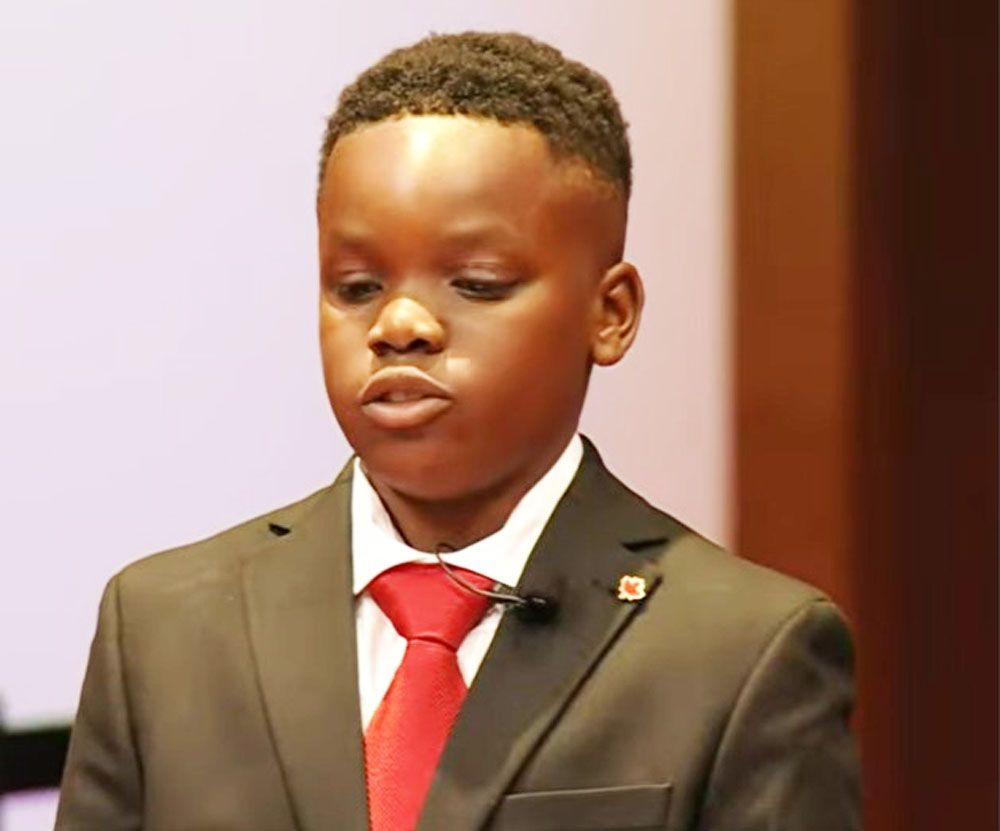
The installation of the Right Honourable Louise Arbour as Canada's 31st Governor General on June 7 offered a highly symbolic moment. The ceremony showcased visible diversity: a Black student from Louise‑Arbour Elementary Public School read a poem by the Parliamentary Poet, a singer from cultural communities performed the national anthem, and Ms. Arbour directly engaged with military personnel from Black and Asian communities.
These gestures recalled the spirit of Canadian multiculturalism, founded on recognition and inclusion. In her speech, Ms. Arbour emphasized:
"I am delighted to see that your recruitment efforts are bearing fruit, and that more Canadians of great diversity in terms of gender, origins and perspectives are choosing to embrace military careers."
A contrast with the new federal council
A few days earlier, Prime Minister Mark Carney announced the creation of the Ministerial Advisory Council on Rights, Equality and Inclusion. Its mission: to combat racism and guide the government toward a more just Canada. However, no members from Black communities were appointed to it, an absence that sparked incomprehension and disappointment. Several leaders see this as a step backward for the Liberal Party of Canada, historically associated with multiculturalism.
Two roles, two forms of influence
The Governor General embodies national unity and the country's fundamental values. Her influence is symbolic and moral. The Prime Minister acts through concrete decisions, particularly in appointments and public policies.
Thus, if Ms. Arbour seems today to carry multiculturalism more visibly, it is due to the symbolic force of her gestures, while government decisions are judged on their coherence and real impact.
A discreet but real role
Constitutionally, the Governor General does not publicly comment on government choices. However, she is called upon to meet with the Prime Minister in a confidential setting, which allows her to remind him of the values of inclusion and unity that form the foundation of Canadian identity. A revealing moment
The contrast between an inclusive ceremony and a federal council without Black representation highlights a tension between symbols and institutional practices. In a country where diversity is a founding pillar, coherence between gestures and decisions remains essential.
The future of Canadian multiculturalism will depend on this ability to align proclaimed values with concrete actions — and to clarify a fundamental question: does the message of unity truly address all cultural minorities, or does it risk being perceived as ambiguous in a context where divisions persist?