
FJP: in the heart of Lanaudière, a helping hand extended to Haitian families
Bélizaire Raphaël ·
Phygelle Obas, the director, wants to make the organization a true bridge between the school, the family, and the community.
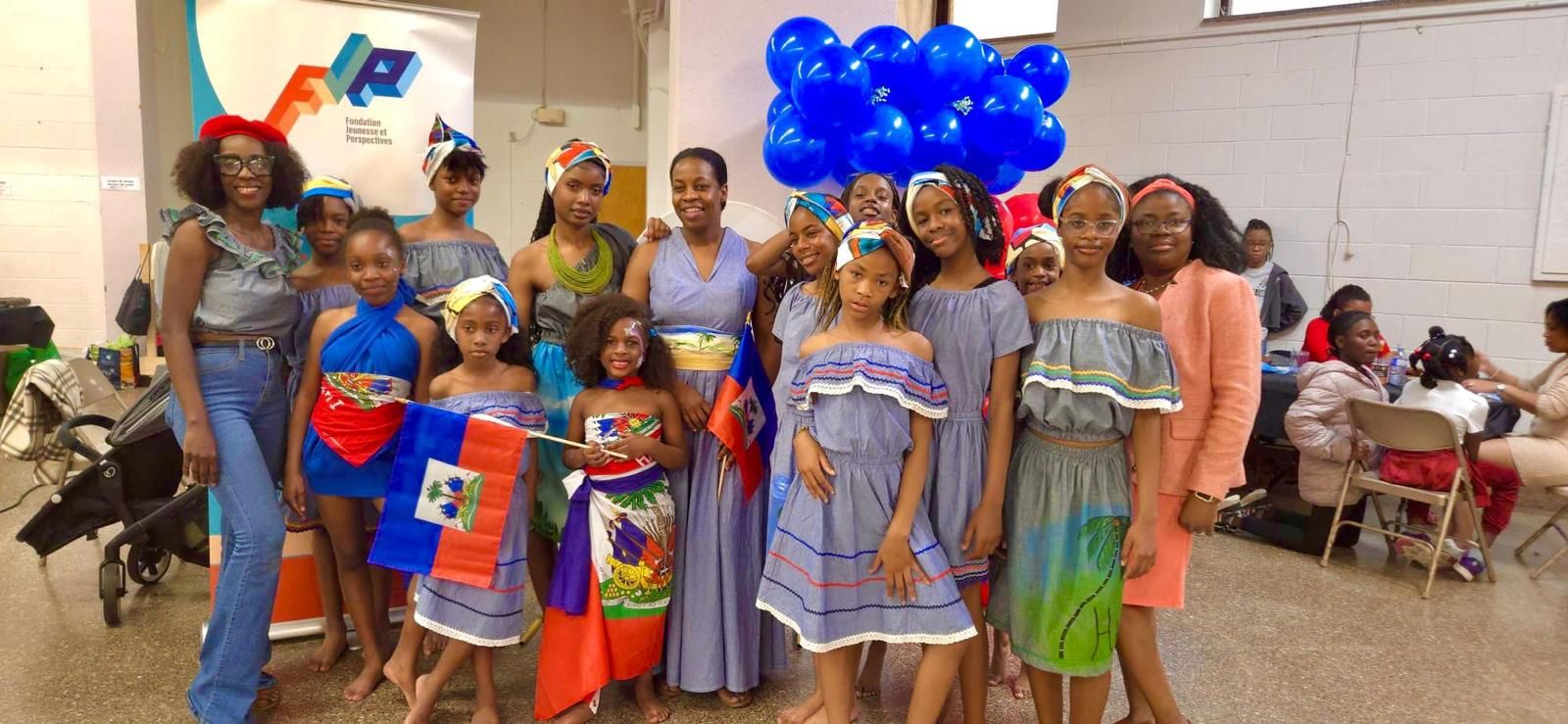
In Terrebonne, at the heart of Lanaudière, an organization born from observation and commitment has gradually carved out a place for itself among immigrant families.
Founded in 2019 at the initiative of Phygelle Obas, Famille Jeunesse et Perspectives (FJP) grew from a simple yet glaring observation: behind the statistics on immigration and academic achievement are families who must often navigate a new social, cultural, and educational environment, sometimes without guidance and with limited resources.
"What motivated the creation of the organization are the needs observed on the ground within the community," explains Phygelle Obas, who today serves as its Executive Director.
A Clear Mission
Formerly known as Fondation Jeunesse et Perspectives, the organization adopted its current name to better reflect its purpose and facilitate access to certain funding sources.
But beyond the name change, it is a mission deeply rooted in the reality of families that FJP pursues: contributing to educational advancement among vulnerable populations, preventing school dropout and juvenile delinquency, and fostering perseverance. Academic motivation, self-esteem, identity, positive communication, parental support, and youth accompaniment are among the organization's areas of intervention.
The School Bridge
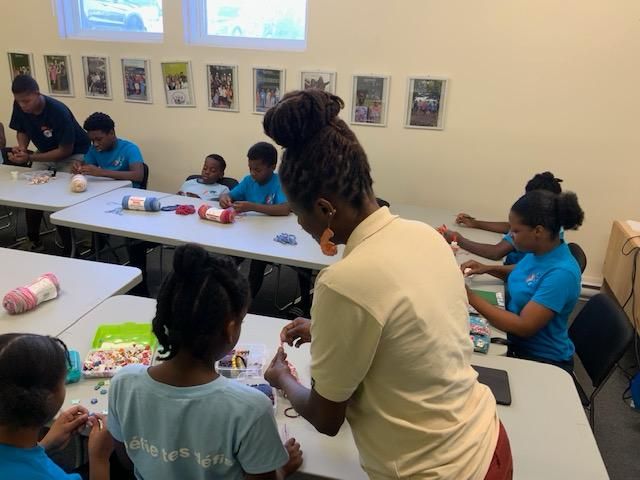
For many immigrant families, particularly Haitian ones, the Quebec school system can feel like a genuine maze upon arrival. Registration procedures, institutional codes, language barriers, and the expectations of the school system can all become additional obstacles. FJP then steps in as a mediator and support provider. "If a non-francophone parent has difficulty understanding or properly representing themselves at school, they can seek the organization's support," notes Ms. Obas. Schools also refer students to FJP when they experience difficulties, allowing the organization to provide guidance, assistance, and follow-up.
Nearly 300 Families
Economic reality presents another significant challenge. Dressing adequately for Quebec winters, purchasing school supplies, or simply meeting a family's daily needs can become a heavy burden for parents who must work long hours. "Integration itself is a challenge. Adapting, both for young people and for parents who are unfamiliar with Quebec's school system, is a learning process," observes Phygelle Obas.
Since its founding, FJP has supported approximately 300 families each year. Though solidly established in Terrebonne, the organization also reaches families in Mascouche, Repentigny, and even Montreal, thanks in part to its online activities.
Growing Together
FJP's actions are not limited to material assistance, however. School kit and backpack distributions are met with great success, but workshops for youth and parents also occupy a central place.
Motivation, self-esteem, identity, positive communication, and living together are addressed from a prevention and personal development perspective. Outings and arts workshops have also helped strengthen bonds between parents and children.
During the last school break, the "Ambassadeurs du bien-être" program offered youth a space for reflection and learning before concluding with a school supplies distribution ceremony ahead of the new school year — a way for FJP to combine the practical with the human.
Visible Results
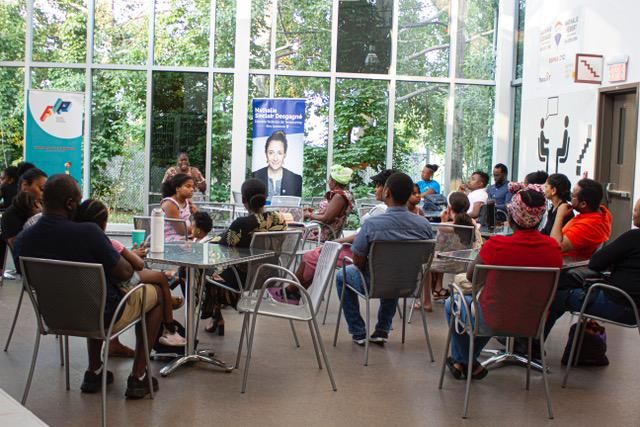
For Phygelle Obas, the organization's greatest successes are not measured in numbers alone. They can be seen in the transformations observed within families. Parents speak of changes in their children's behavior, particularly in terms of self-discipline. Others highlight the financial relief provided by the distributed school supplies.
These testimonials, sometimes kept private out of respect for the families' wishes, nonetheless remain a source of pride. "We respect their right not to share their testimonials. But we have quite a few," she says.
Joining Forces
Collaboration remains essential to this mission. FJP works with community organizations and participates in regional coordination tables that facilitate connections with institutions, municipalities, and the school community.
The organization nonetheless hopes to further strengthen this bridge with schools. For Ms. Obas, improving these partnerships could lead to better outcomes and a stronger response to the needs of young people.
And the director's message to families is unequivocal: "They are not alone, and our organization is here for them." To the young people it targets, aged 12 to 25, she has another rallying call: persevere.
In a Lanaudière where the Haitian community contributes daily to shaping the social fabric, FJP embodies a form of collective commitment: that of people from within this community who choose to invest in the next generation. And what if FJP's greatest achievement were precisely this: helping a newly arrived family understand that they have not only found a new homeland, but also a community ready to walk alongside them.