
Black children at the DPJ: Québec cuts a grant to Option protection
Jean Numa Goudou ·
The BCHM's OP program risks losing at least two family support workers, while 2,200 children have been exempted from the DPJ in recent years.
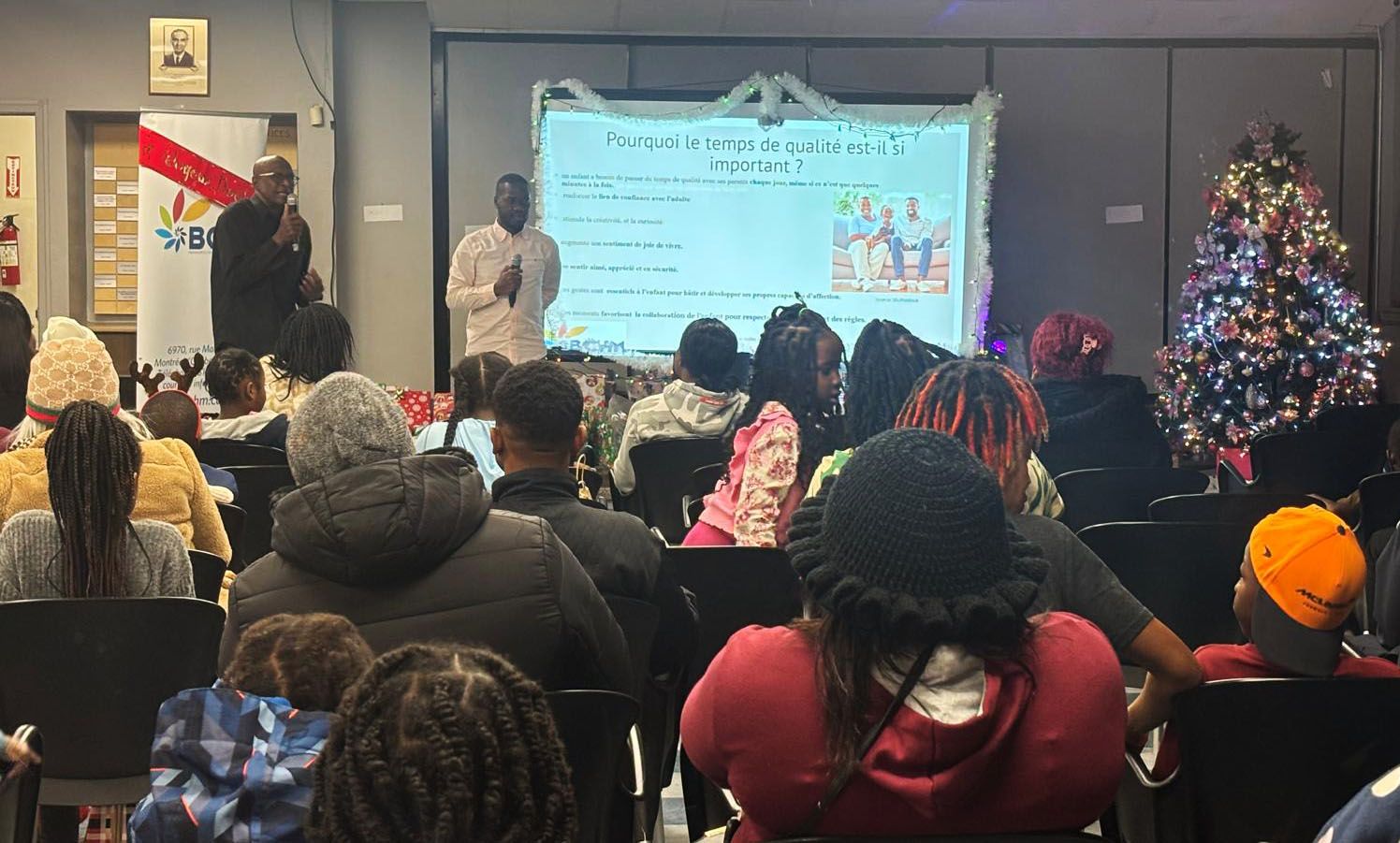
Luc, 9 years old, sets off one morning on his bicycle to school. The school sees him arrive alone and reports the situation to the Direction de la protection de la jeunesse (DPJ). His father, an electrician and single parent of four children, did not understand the call from the DPJ, which was threatening to take his children away.
It was the Bureau de la communauté haïtienne de Montréal (BCHM), through its Option protection (OP) program, that represented him in this case that day. Luckner was able to return home with his son upon agreeing to a series of "voluntary measures" and training sessions on Quebec's reality regarding child welfare. This lasted one year with OP.
"It would have been a catastrophe for me if they had taken my son away," Luckner admits in an interview with In Texto. "My three children narrowly avoided the DPJ," says Pascale, a licensed practical nurse who arrived in Canada in 2018 after passing through Venezuela, where she lived for three years.
"My son was telling his friends that I hit him, and they went and told the teacher," she explains, describing how the DPJ entered her life. The teacher automatically reports it.
"I received a call from the DPJ asking me to come meet with them along with my husband," she recalls. Charles Bottex, a trained sociologist and caseworker within OP, accompanied her. Like Luckner, she returned home with her children by following the same training program.
"A racial burden"
"I didn't know how to manage anger toward the children. In our culture, we tend to give them slaps," Pascale admits. "The OP program helped me a great deal and everything is fine now," she assures.
There are ten caseworkers supporting Black and immigrant families dealing with the DPJ. Among them are social workers trained in Haiti who have become members of the Ordre, and sociologists like Mr. Bottex. "For the DPJ, we are a godsend to them," exclaims Charles Bottex, who has lived in Quebec for 50 years.
"There is a racial burden among Black immigrants," says the sociologist, "Black parents who say to themselves: how can a stranger teach me how to raise my child?"
Through the intervention of people who look like them, they manage to open up to changes and Quebec's ways of doing things, according to the caseworker.
Less costly to the State
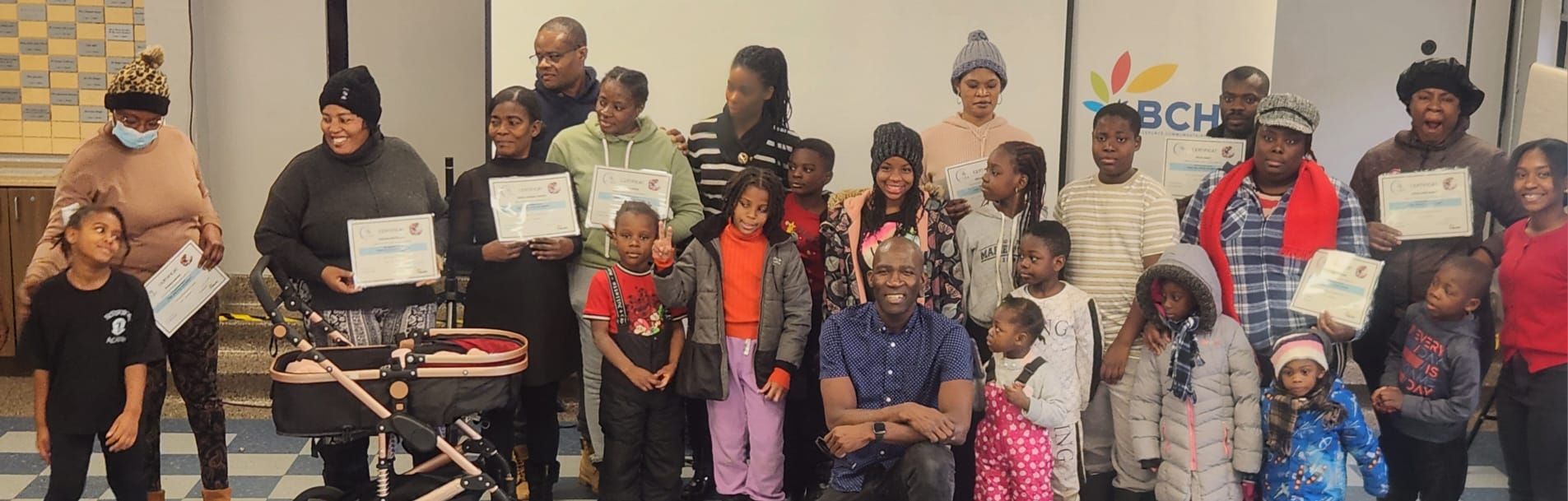
Thanks to their interventions, many Black families, primarily Haitian, succeed in moving forward with their children.
- More than 2,200 children have been able to avoid the corridors of the DPJ and the risks of placement thanks to the OP program.
- 3,700 foster families, who receive approximately 6,000 children across Quebec, according to the Fédération des familles d'accueil et ressources intermédiaires du Québec (FFARIQ).
The minimum cost paid by the government for a child in foster care amounts to $89 per day, which represents more than $2,600 per month — more than $31,000 per year.
This does not include expenses related to human resources. "If the Option Protection program helps prevent five placements each year, the government already recoups its investment." Yet, the government has just withdrawn a subsidy from this program.
"The decision to eliminate the government contribution of $150,000 from the financial structure enabling these services seems difficult to justify for Santé Québec, especially given the number of children effectively reached by the program," says BCHM Executive Director Ruth Pierre-Paul.
"Growing with Confidence"?
Yet, on April 1st, the office of Minister of Health and Minister responsible for Social Services, Sonia Bélanger, published the broad outlines of a new strategy: "Grandir en confiance" ("Growing with Confidence"). It is built around principles of prevention, concertation, and collective responsibility, with the aim of offering better coordinated, more accessible, and more humane services in order to effectively support families and better protect children.
The minister outlines six major directions:
- Strengthening prevention and frontline services;
- Actively supporting youth and parents in vulnerable situations;
- Refocusing youth protection intervention on situations where it is truly necessary;
- Ensuring greater stability in the living environments of children placed under DPJ protection;
- Adapting services to the diversity, identity, and rights of children;
- Offering safe and culturally adapted services for First Nations and Inuit children.
- Concrete changes for children and families.
"We have put all our heart and energy into this strategy to initiate lasting changes in the practices and services intended for children and their families.
This strategy consolidates the measures put in place in recent years, following the recommendations of the Laurent commission…," states Lesley Hill, national director of youth protection, in a press release.
Yet, the BCHM's OP program risks losing at least two family caseworkers due to this cut in funding that has been allocated for several years to a program that allows thousands of Black children to "grow with confidence" within their families — which is precisely the goal of the new government strategy.