
Bill C-12: Guineans call for a moratorium on deportations
Jean Numa Goudou ·
"People risk torture, prison or death. That is why we solemnly ask the Canadian government to implement a moratorium on deportations," warns Diallo Mamadou Dian, coordinator of the FNDC.
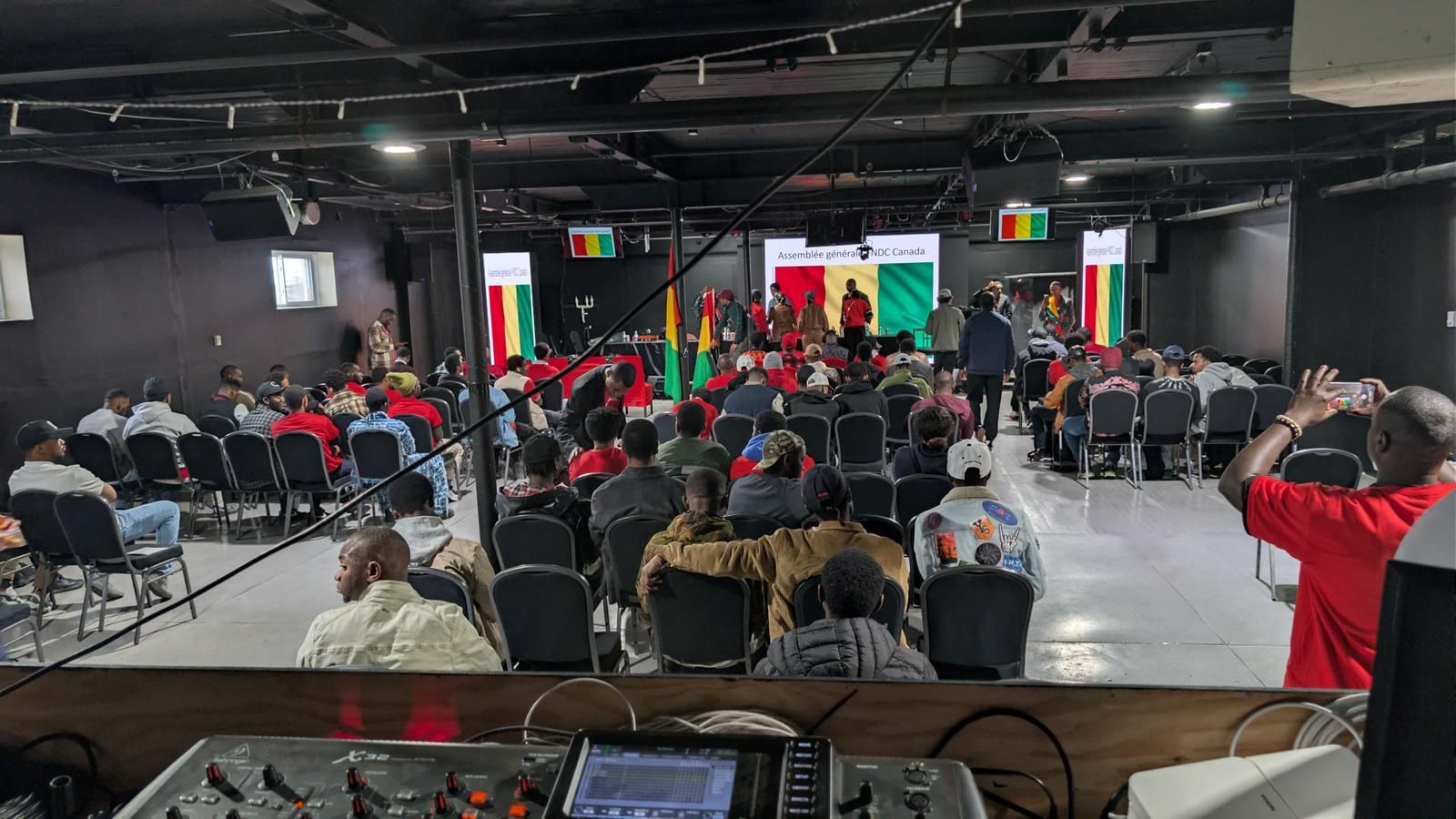
The National Front for the Defense of the Guinean Constitution in Canada (FNDC) is calling on Canada to implement a moratorium on deportations to this country whose nationals are severely affected by Bill C-12. Thousands of people have received letters from the Canada Border Services Agency (CBSA) informing them that their application would not be processed and that they must return to their country of origin.
Approximately 20,000 Guineans live in Canada, including a good number of asylum seekers who find themselves in difficult situations due to restrictions imposed by the new Immigration law.
• Asylum claims filed more than one year after a person's initial entry to Canada after June 24, 2020 will not be accepted, even if the person has left and returned since then. • Asylum claims from people who enter Canada between entry points along the Canada-United States land border and who make a claim after 14 days will not be referred to the IRB.
The FNDC met with the press last Saturday to raise awareness and inform those concerned about the consequences of this law. About a hundred people attended the conference and the assembly that followed.
"Yes, but we observe that there is a lack of information about the real situation in Guinea," believes Djallo Alpha Omar, FNDC spokesperson. "Guinea has become a cemetery for burying democracy and human rights," the activist adds.
Gwendolyn Muir, an immigration lawyer and main author of an open letter condemning Bill C-12, took part in the assembly to inform people about possible recourse regarding C-12. "All is not lost," she said, "there is still the possibility of a Pre-removal Risk Assessment (PRRA)."
But applicants have a time frame of 15 calendar days (Saturday and Sunday are counted) to send their application. She also advises concerned persons to ensure that information (notably their home address) is up to date with the authorities.
"But without real data on the situation in Guinea, this could lead the PRRA to the slaughter," believes Djallo Alpha Omar, FNDC spokesperson.
"People risk torture, prison or death. This is why we solemnly ask the Canadian government to implement a moratorium on deportations," warns Diallo Mamadou Dian, FNDC coordinator, for his part.
Watch the FNDC coordinator's intervention
The advocacy group has already written to local elected officials and several MPs and is awaiting their response. Several Guineans have been deported recently, but not in the context of asylum claims. These notably include students who had not really studied in Canada, which violated their immigration conditions. "That, we understand, since the law is the law," recalls the FNDC spokesperson.
Beyond Bill C-12, everything costs more now in immigration matters. Ottawa has just added additional fees for processing residency and citizenship applications.
These increases even affect asylum seekers. While medication costs were totally covered by the Interim Federal Health Program (IFHP), refugees awaiting a hearing from the Immigration and Refugee Board (IRB) will now have to pay out of pocket for their medications.
At least $4 per prescription medication will now be claimed from the social assistance they receive before they start working.