
Asylum: applicants crossing "amba fil" (irregularly) will be returned
Lucmane Vieux ·
Bill C-12 received Royal Assent yesterday, March 26, and has therefore been in effect since then.
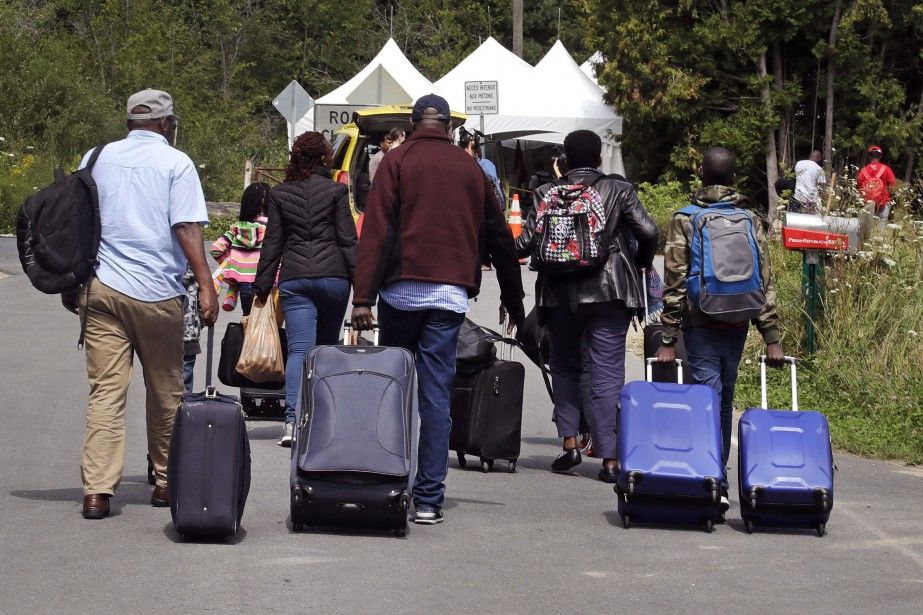
Asylum claims from individuals who enter Canada between ports of entry along the Canada–United States land border and who file a claim after 14 days will not be referred to the Immigration and Refugee Board (IRB). Bill C-12 received Royal Assent yesterday, March 26, and has therefore been in effect since then.
This legislation is even retroactive. Asylum claims filed more than one year after a person's initial entry into Canada after June 24, 2020, will also not be referred to the IRB. And this applies "even if the person has left and returned."
"These new eligibility requirements will reduce pressure on the asylum system, protect it against sudden increases in claims, close loopholes, and deter people from seeking asylum using this route as a shortcut to regular immigration pathways," Immigration Canada stated in a press release.
Exception to the rule
Guidelines will be provided to officers to take into account the particular circumstances of unaccompanied minors, given the absence of a legal guardian.
Individuals affected by these new rules will still have access to a Pre-Removal Risk Assessment (PRRA) to prevent them from being returned to a country where they face risks such as persecution, torture, or other harm.
Furthermore, no changes are being made to the application of the Safe Third Country Agreement. Individuals who file a claim at a Canada-U.S. border crossing or within 14 days of an irregular entry continue to be returned to the United States, unless they meet the conditions for an exception or exemption.
Claimants who have family in Canada (father, mother, aunt, uncle, nephew, or niece) are exempt from these measures.
Modernized asylum process
In the coming months, Canada will improve the way asylum claims are received, processed, and decided by updating the Immigration and Refugee Protection Regulations. These changes will:
- simplify the online application process and reduce the need to answer duplicate questions and complete multiple forms
- refer only complete and scheduling-ready claims to the IRB in order to expedite decision-making
- ensure that the IRB decides on claims only when the claimant is actually present in Canada and that, if a person who has filed a claim voluntarily returns to the country where they fear persecution before the IRB has rendered a decision, their claim will be considered abandoned.
Asylum claims are declining. Overall, the Canada Border Services Agency (CBSA) recorded 36% fewer asylum claims in January 2026 compared to January 2025.
The number of people apprehended by the Royal Canadian Mounted Police (RCMP) since January 2023 is also declining — from 4,859 in 2023 to 59 in January of this year, in Quebec.
Listen to François Jean-Denis's commentary on the impacts of Bill C-12